


Description
NR507 Week 2: Cardiovascular Disorders
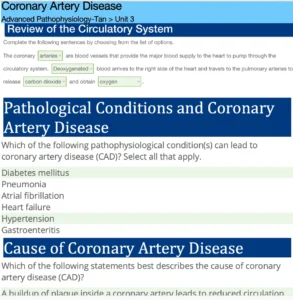
Which of the following pathophysiological condition(s) can lead to coronary artery disease (CAD)? Select all that apply.
Diabetes mellitus
Pneumonia
Atrial fibrillation
Heart failure
Hypertension
Gastroenteritis
Which of the following statements best describes the cause of coronary artery disease (CAD)?
A buildup of plaque inside a coronary artery leads to reduced circulation to the heart.
A clot in the coronary circulation blocks blood movement beyond a specific point.
Higher than normal blood pressure injures the inside of the coronary artery, causing leakage of blood into the heart muscle.
A heart arrhythmia or disturbance slows the pumping of the heart, impairing coronary circulation and reducing oxygenated blood.
Coronary artery disease (CAD) can lead to which of the following pathophysiological conditions? Select all that apply.
Vasoconstriction
Inflammation and plaque accumulation
Weakened cardiac muscle
Inadequate ventilation
Thrombus formation
Which factors should the nurse practitioner (NP) include in the provider-client risk discussion? Select all that apply.
Serum lipid levels
Family history of premature atherosclerotic cardiovascular disease (ASCVD)
Net benefits of pharmacotherapy
History of familial cancer
Cost considerations
Lifestyle considerations
Based on laboratory and diagnostic test findings, which client referral should the nurse practitioner (NP) prioritize?
Registered dietitian
Hematologist
Social services
Exercise physiologist
Cardiothoracic surgeon…………………………….$20


















































































Customer Reviews
There are no reviews yet.